


Truck Dock Leveler: A Complete Buying Guide with Load Ratings and Safety Tips A practical field gu...
Truck Dock Leveler: A Complete Buying Guide with Load Ratings and Safety Tips
A practical field guide for logistics managers, warehouse planners, and plant engineers: type selection, load class, pit dimensions, standards, and integrated safety.
A trailer bed sits about 1.2 meters above the yard. The dock floor sits at about 1.35 meters. Between them is a step that a loaded forklift crosses hundreds of times per shift. A truck dock leveler is the steel bridge that makes that crossing safe; because it carries the full weight of every load that moves through the door, it is a structural component, not a simple ramp.
This guide follows the decisions that drive a leveler purchase: operating frequency, real loads, pit geometry, applicable standards, and the safety equipment that makes a dock safe.
The cargo does not negotiate. A dock specified for the average morning will fail on the heaviest afternoon.
What a Truck Dock Leveler Actually Does
A dock leveler sits in a recessed pit at the loading door. When a truck backs in, the operator raises the deck, the lip extends onto the trailer sill, and the deck becomes a flush continuation of the dock floor. The leveler absorbs the height difference as the trailer settles under load, then transfers the forklift's weight across the joint.
In everyday terms it does four jobs:
- Compensates height differences between the dock floor and the trailer bed.
- Bridges the gap so forklifts, pallet jacks, and AGVs can enter the trailer.
- Absorbs the shock and dynamic stress of each crossing.
- Protects the dock edge from repeated trailer and forklift impact.
The operative word is load-bearing. An under-specified leveler fails in sequence: sluggish hydraulics, flexing deck, loosened hinges, cracked pit edge. A correctly specified one feels like nothing to the driver.
Main Types of Dock Levelers
Dock levelers are grouped by how the deck is powered. The right type follows from daily cycles, budget, and building configuration.
Hydraulic dock levelers
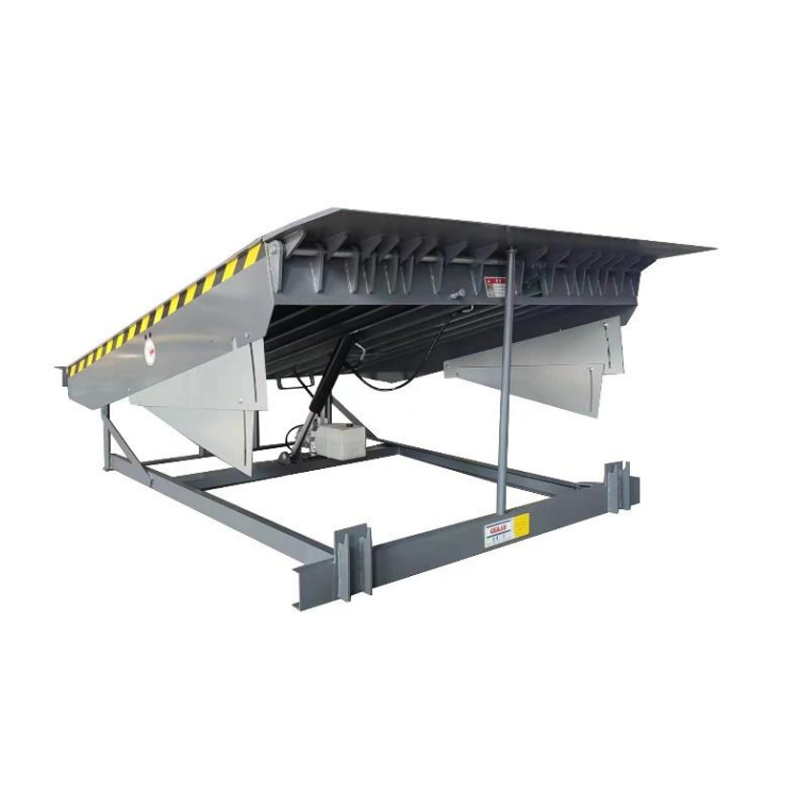
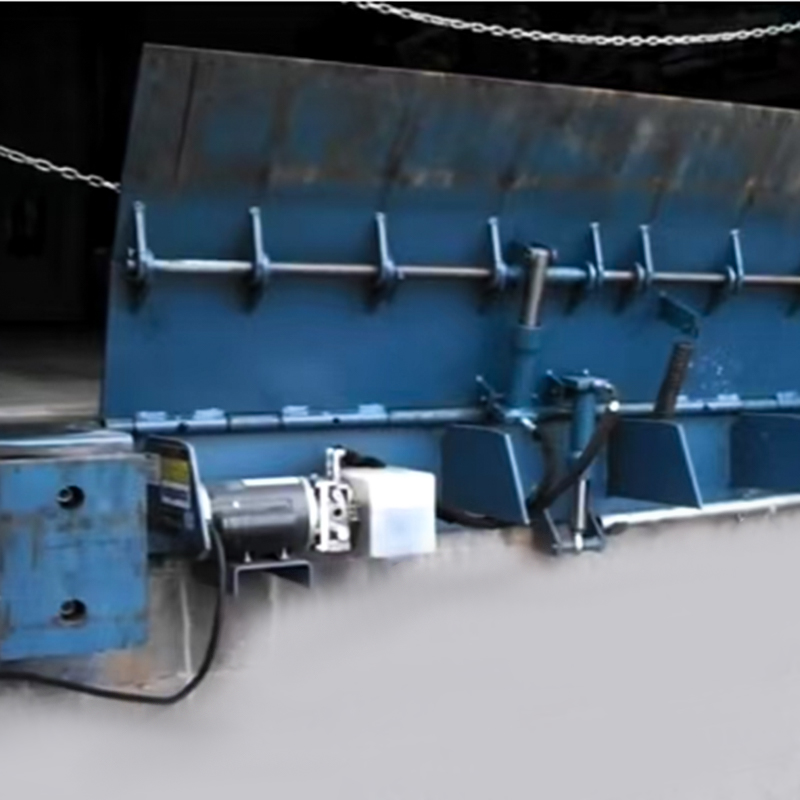
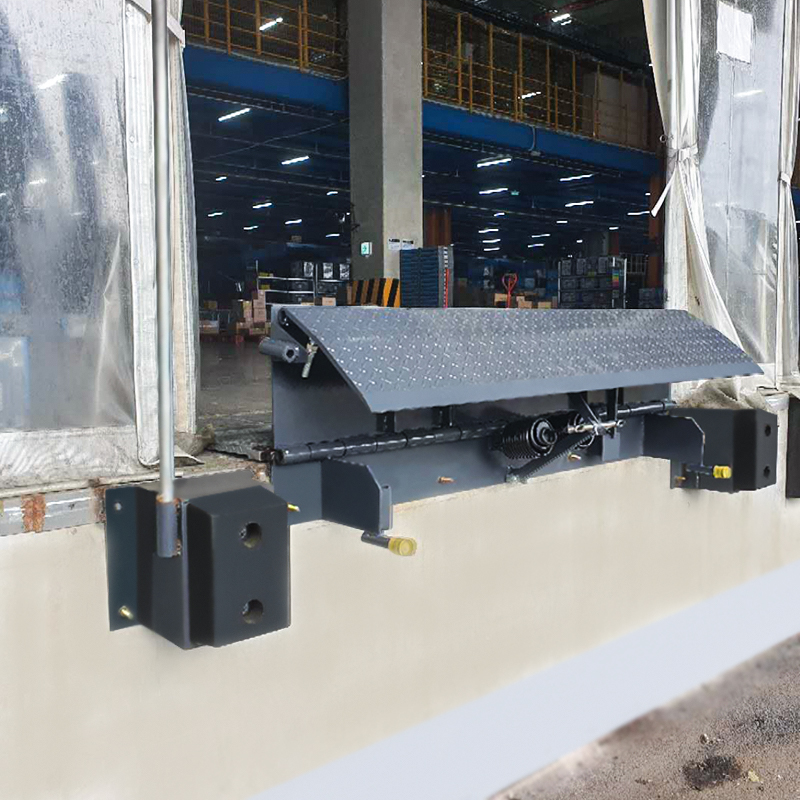
Hydraulic units use an electric pump and cylinder to raise the deck and extend the lip. Operation is push-button, motion is smooth, and the lip can be lowered precisely even as the trailer settles under load. At docks with more than 50 to 100 crossings per day, hydraulic is the standard answer: faster cycles, less operator effort, and consistent performance. The first cost is higher, but the reliability across a full shift justifies it.
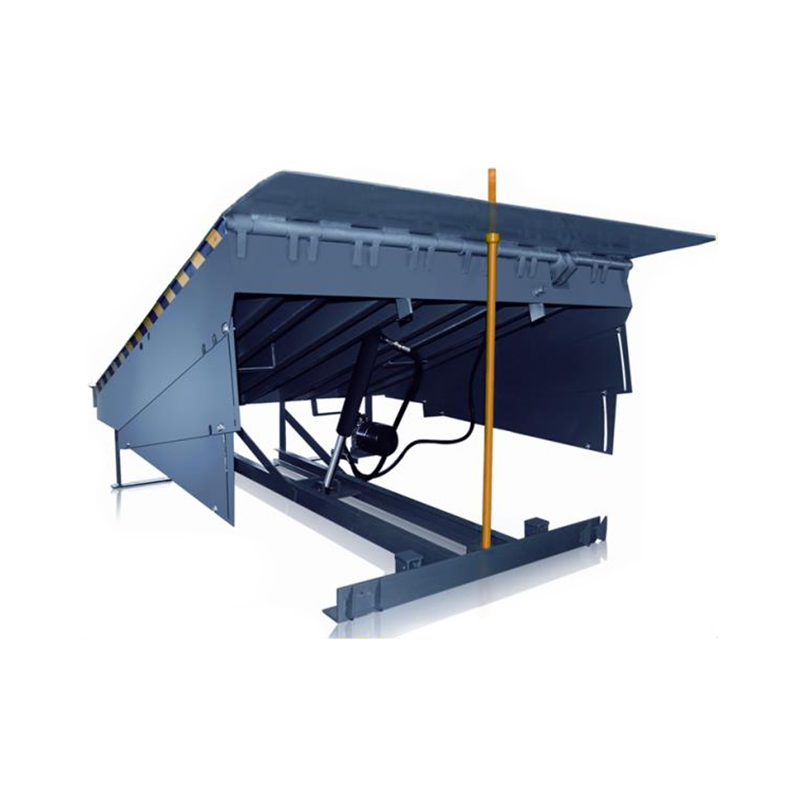 DL-1000 Hydraulic Dock Leveler with Safety Maintenance SupportsThis hydraulic leveler offers push-button operation and smooth lip positioning for high-frequency docks. The 16mm swinging lip and C-type steel profiles provide rugged durability, while the safety valve and maintenance struts protect workers during service.View Product →
Mechanical dock levelers
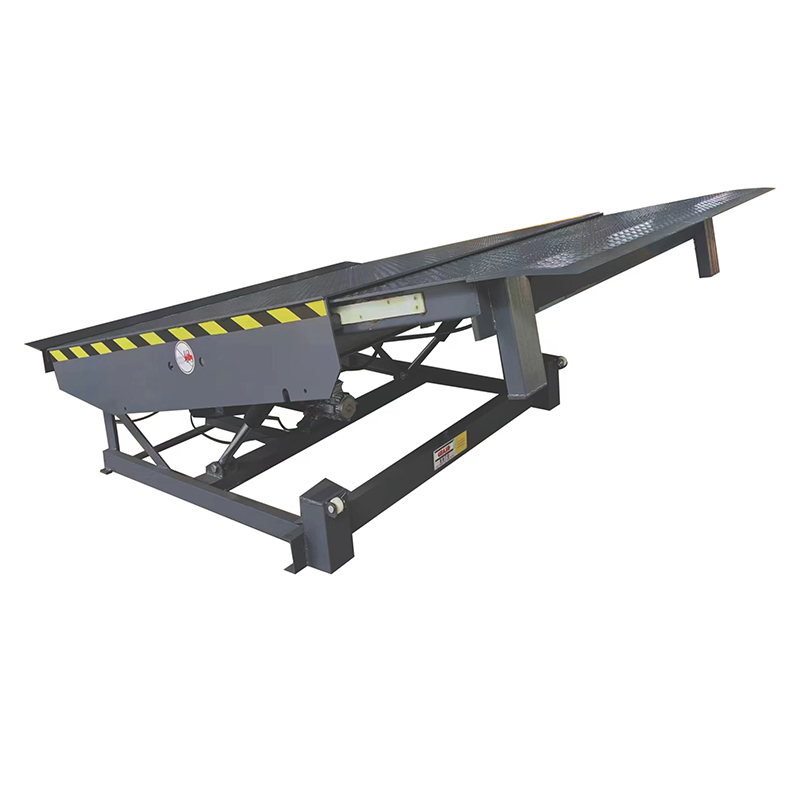
Mechanical levelers use a spring counterbalance. The operator pulls a chain, walks the deck up, and places the lip manually. The price is lower, no power supply is needed at the pit, and maintenance is simpler. The trade-off is operator involvement in every cycle and a lower duty ceiling. They suit low-frequency doors, single-shift sites, and lean maintenance budgets.
Air-powered dock levelers
Air-powered levelers replace the hydraulic cylinder with an inflatable bellows. They cost less than hydraulic, contain no oil, and handle medium-duty docks well. The prerequisite is a stable compressed-air supply; where air already exists, they are the most economical powered option.
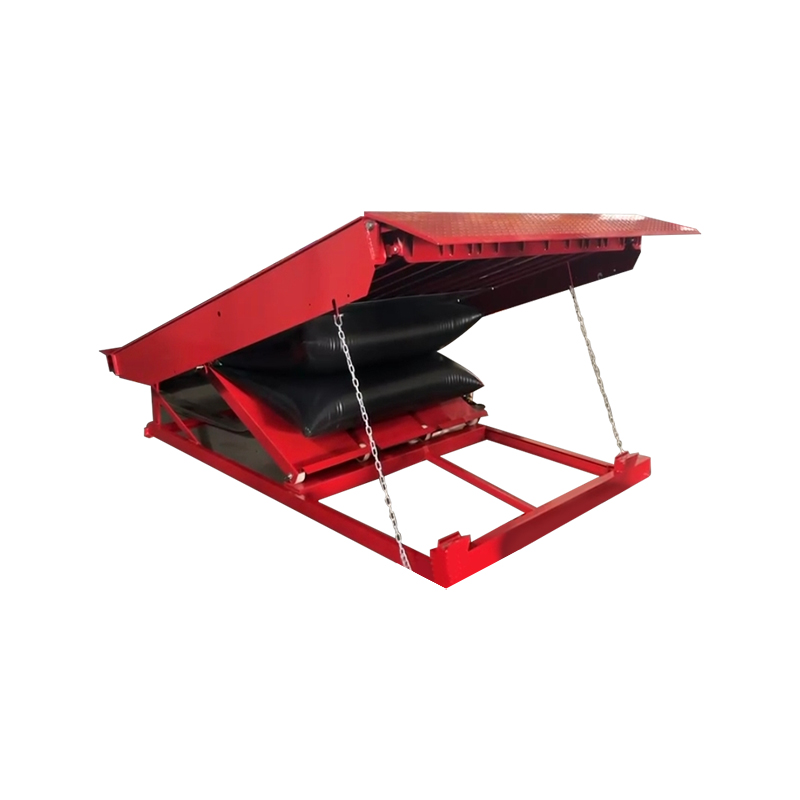 DL-A Air-Powered Dock Leveler with Low-Pressure Lifting SystemThis air-powered leveler uses a reliable cylindrical air bellows that resists puncture and wear. It offers a lower cost than hydraulic models and requires minimal maintenance, making it a practical choice for medium-duty docks with an existing compressed-air supply.View Product →
Vertical-storing dock levelers
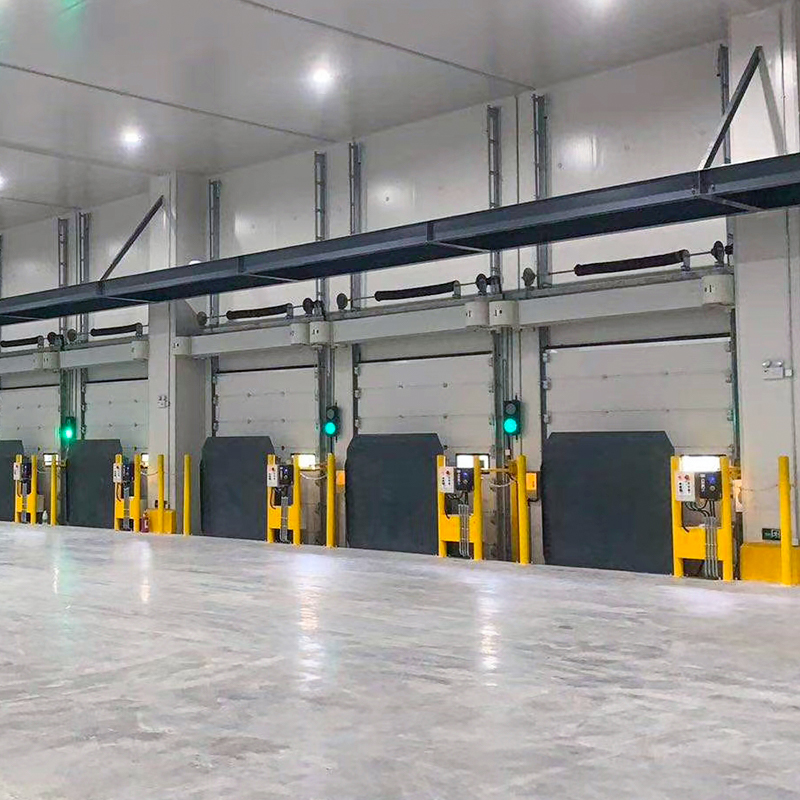
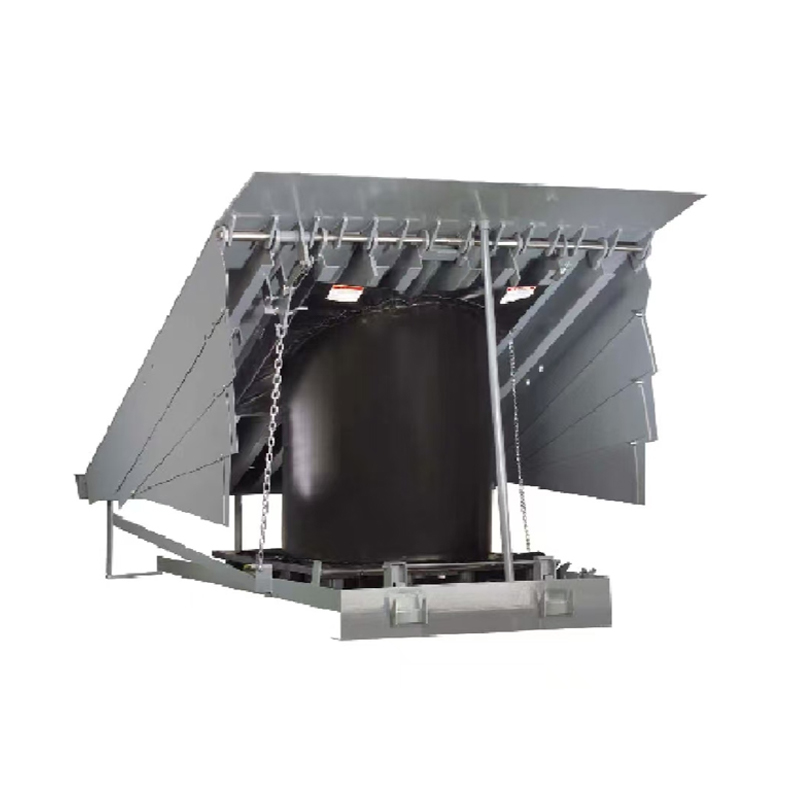
A vertical leveler stores upright against the dock face when idle. The overhead door then closes completely behind the deck, the pit stays dry, and the building's thermal and hygienic envelope is protected. Its standard territory is cold storage, food logistics, and pharmaceutical distribution. It needs a deeper pit and a higher price, but in temperature- or hygiene-controlled buildings it is usually the only sensible choice.
 DL-E Vertical Dock Leveler with Customizable Load CapacityThis vertical leveler stores upright to protect building temperature and hygiene, which is ideal for cold storage and food logistics. It offers button-operated control, customizable specifications, and low maintenance needs, though dynamic capacity should be carefully evaluated.View Product →
| Type | Power source | Typical duty | Upfront cost | Best fit |
|---|---|---|---|---|
| Hydraulic | Electric pump and cylinder | High frequency | High | Distribution centers and high-volume docks |
| Mechanical | Spring counterbalance | Low to medium | Low | Small warehouses and single-shift sites |
| Air-powered | Compressed-air bellows | Medium | Medium | Facilities with an existing air supply |
| Vertical-storing | Hydraulic or mechanical drive | Medium to high | High | Cold storage, food, and clean-room docks |
Load Ratings: Reading the Numbers Correctly
The capacity on the datasheet is the number most compared and most misread. Always evaluate dynamic capacity, never the static figure.
Dynamic capacity is the number that counts
Dynamic capacity is the heaviest combined weight of forklift and load that can cross the leveler in normal operation. Most industrial hydraulic levelers are rated at 6,000 to 10,000 kg, roughly 13,000 to 22,000 pounds. The static, or roll-over, rating describes a load held perfectly still and is always higher. Quotes that do not name the capacity type should go back for clarification.
Add a working margin
A 5,000 kg forklift carrying 1,500 kg is a 6,500 kg crossing; on a 6,000 kg leveler, every shift is an overload. Add 20 to 30 percent above the heaviest realistic combination, because acceleration and braking spike the forces on the deck.
| Dynamic rating | Typical forklift plus load | Suggested application |
|---|---|---|
| 6,000 kg (13,200 lb) | Pallet jack or small forklift | Light warehouses and retail docks |
| 8,000 kg (17,600 lb) | Standard counterbalance forklift | Single-shift distribution operations |
| 10,000 kg (22,000 lb) | Heavily loaded forklift | Busy distribution and cross-dock centers |
| 12,000 kg (26,400 lb) | Large counterbalance forklift with dense loads | Heavy industry, paper, steel, machinery |
The pit is part of the rated structure
Every rating assumes a pit built to the manufacturer's drawing. Pit depth, concrete grade, and anchor placement are engineering inputs, not installation details. A 10-ton leveler cannot perform in a pit that was poured too shallow or has cracked. Get the pit requirements in writing before ordering.
Standards: EN 1398, ANSI/ASME MH30.1, and Tender Specifications
The standard named in a tender determines the safety level, the testing procedure, and the acceptance criteria. Dock leveler projects most often reference EN 1398 in Europe and ANSI/ASME MH30.1 in North America. They are not interchangeable.
The differences appear in load classification, safety factors, test conditions, and marking; the comparison of European and American dock leveler standards shows where the two overlap and where they diverge.
In procurement, the check is short. If the specification cites a standard, verify that the offered model is type-tested and marked against exactly that standard. If no standard is cited, select the equipment class from the heavier of loading frequency, forklift weight, and environmental demands.
EN 1398 covers load classes, lip locking, safety distances, operator controls, and type tests. ANSI/ASME MH30.1 treats the leveler as part of a complete dock system and stresses cross-traffic legs, maintenance props, and control interlocks. A standard defines the failure conditions a leveler must survive; treating it as paperwork invites avoidable risk.
Pit Dimensions, Dock Height, and Lip Geometry
The dock is usually poured before the leveler is ordered, so the dimensions are already fixed in concrete.
- Pit depth: hydraulic units commonly need 400 to 600 mm below dock level; vertical models need more because the deck stands upright.
- Dock height: typical docks sit 1.2 to 1.4 m above grade. The trailer fleet defines the required lip reach.
- Width: standard widths run 2.0 to 2.5 m. The real constraint is the forklift turning radius, not truck width.
- Lip length: 300 to 500 mm is common, and the lip must reach the trailer sill at the normal parking position.
- As-built verification: measure the pit after construction; a deviation of 50 mm can create a frame mismatch.
The fleet mix is the variable outsiders miss: a rigid truck, an air-suspension trailer, and a steel-suspension trailer present different bed heights. The leveler must cover the whole range.
Warning When replacing an old leveler, measure the pit first and order second. Many mechanical-leveler pits are shallower than a vertical-storing unit needs, and the mismatch means unplanned concrete work.
Safety Starts Around the Leveler
The most dangerous moment at a dock is not the forklift crossing the leveler. It is trailer creep, when the trailer inches away from the building while a forklift is inside. No leveler prevents that alone.
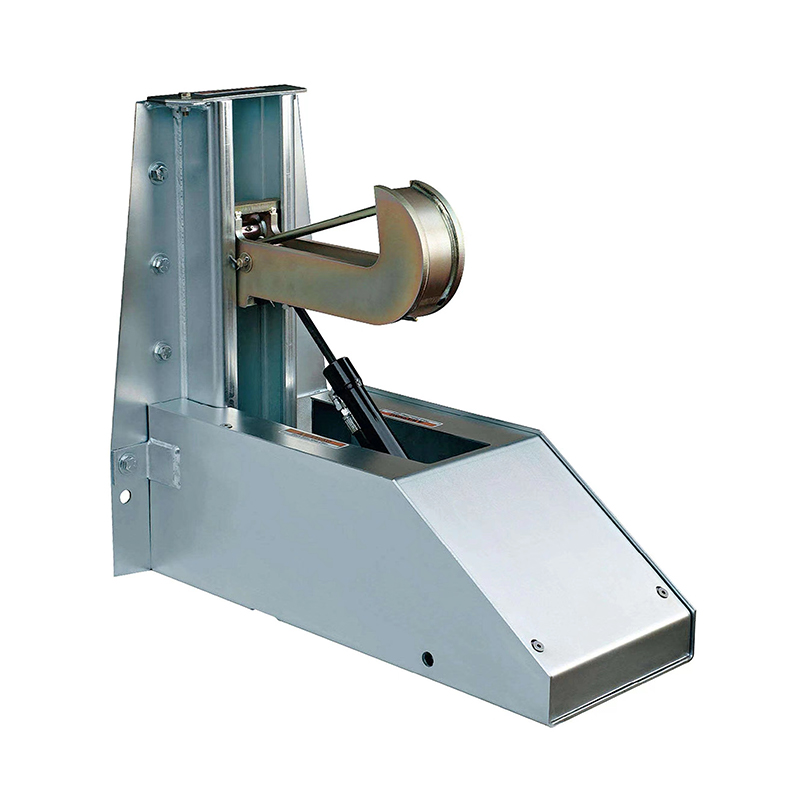
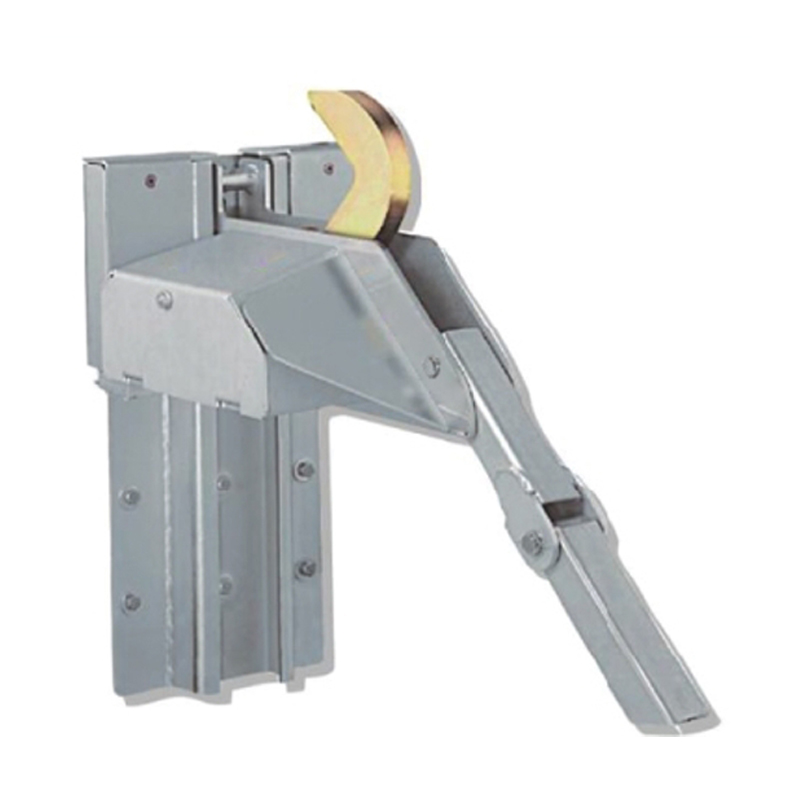
- Vehicle restraints engage the trailer's underride guard to stop creep and early departure.
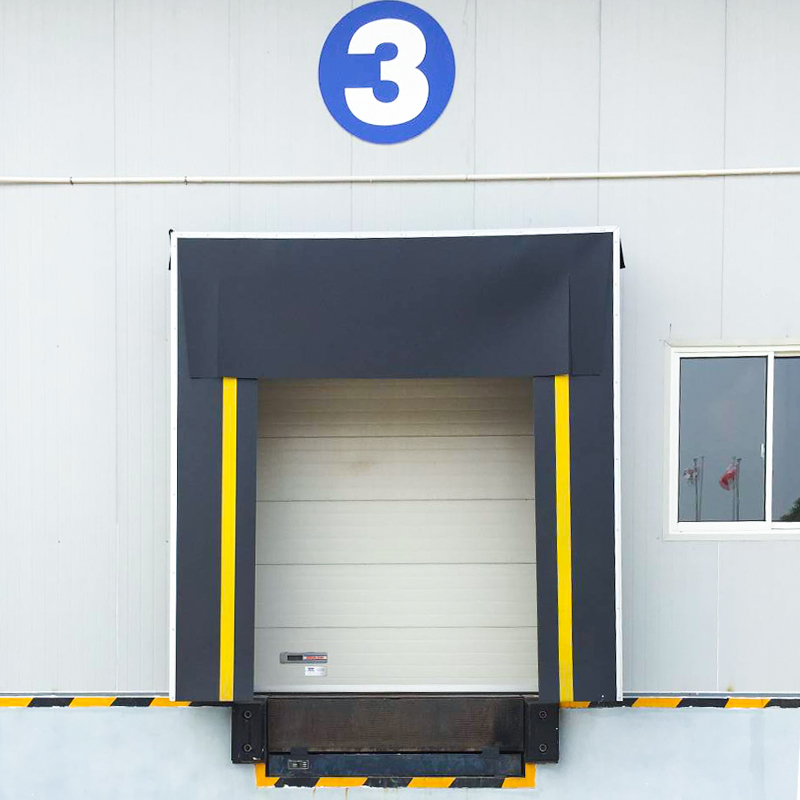
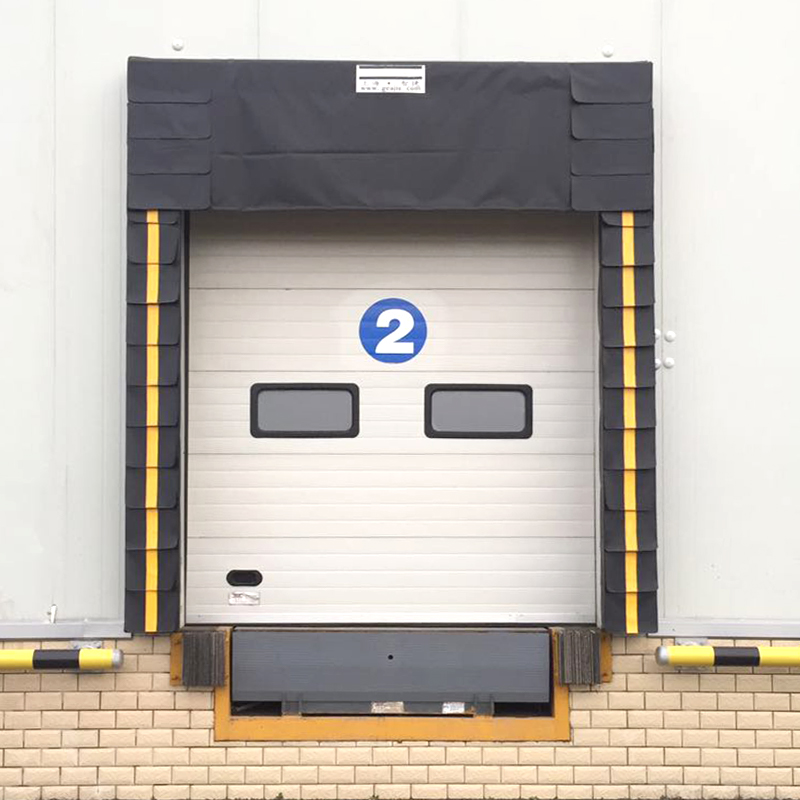
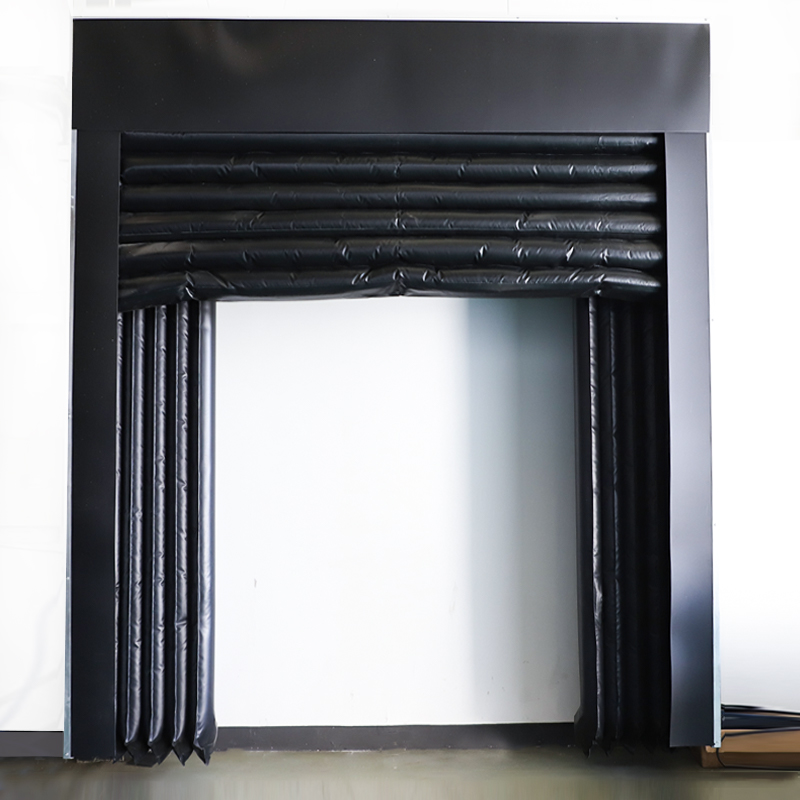
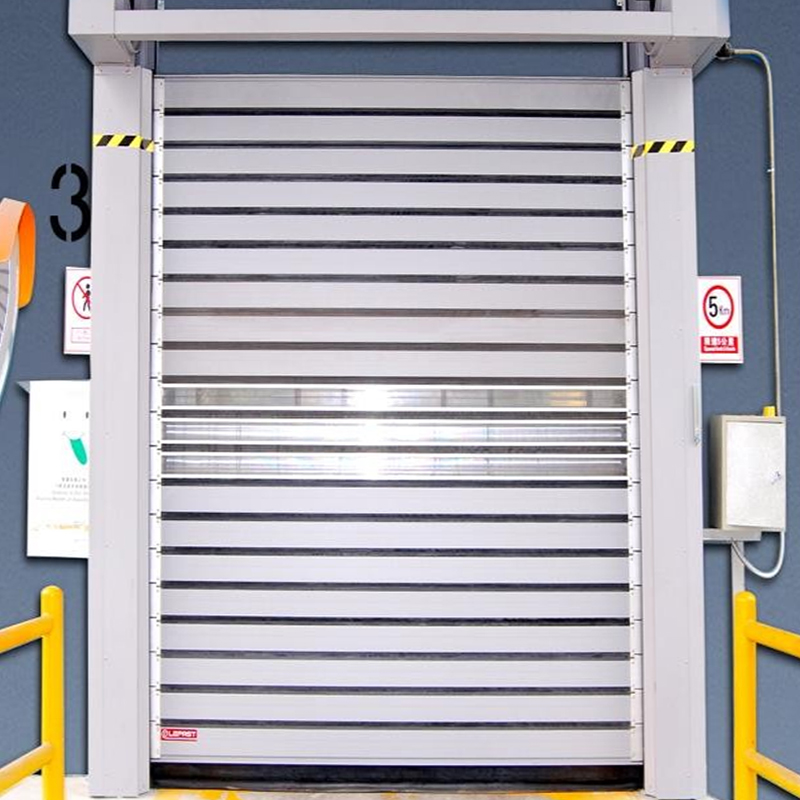
- Dock seals and shutters close the gap between trailer and building, controlling temperature, dust, and pests.
- Cross-traffic legs and maintenance props hold the deck when a forklift parks on it and when crews work in the pit.
- Interlock controls keep the leveler from extending until the trailer is locked and block departure while it is loaded.
Buying loading dock equipment as one integrated set reduces the risk of responsibility falling between suppliers. Leveler, restraint, and seal from one manufacturer keep wiring, controls, and documentation consistent.
Info Agree the control sequence during planning, not after installation: trailer locked, leveler extended, forklift enters, leveler raised, trailer released.
Selection Checklist
Use this checklist before requesting quotes.
- Calculate the heaviest real forklift-plus-load combination, then add 20 to 30 percent margin.
- Count realistic crossings per door per day; above 50 to 100, hydraulic is safer.
- Measure the existing pit before ordering any replacement.
- Identify the standard in the project specification and verify compliance.
- Consider a vertical-storing unit when the door must close tightly for cold chain or clean rooms.
- Plan leveler, restraint, and seal as one system, including interlock wiring.
- Request pit drawings in writing before concrete work starts.
Danger Treat any quote that omits the dynamic capacity, the applicable standard, or the pit depth as incomplete. Missing numbers at quotation become structural problems at the dock.
The Bottom Line
A truck dock leveler is a structural component, a safety device, and an operational tool at the same time. Choose it from real cycles, real loads, the actual pit, and the applicable standard; treat the leveler, the restraint, and the seal as one system.
Success Success looks quiet: the forklift crosses smoothly, the restraint locks automatically, the door closes, and the maintenance record stays empty for years.
